Before the Towers
Signals before stone
Communities read headlands, fires, bells, and local knowledge long before permanent towers marked the route.
Source note: Interpretive overview based on common coastal navigation practices; verify against regional records.
The lighthouse era begins
First Permanent Lights
A fixed light on the horizon
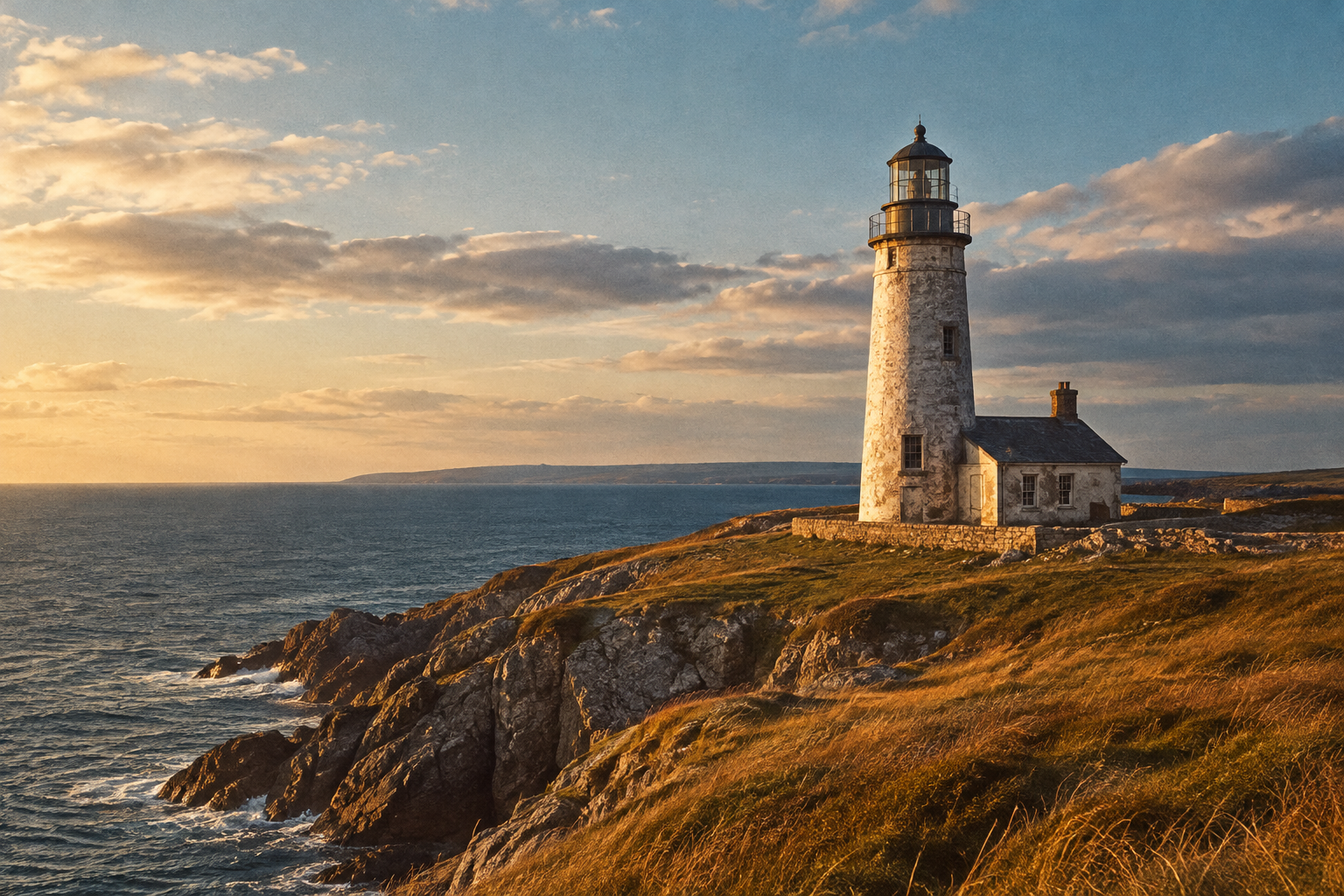
Masonry towers and staffed lamps turned dangerous approaches into recognizable passages after dark.
Source note: Dates varied by station; consult tower registers and harbor records for exact local chronology.
The Keeper Years
Lives ordered by weather and flame
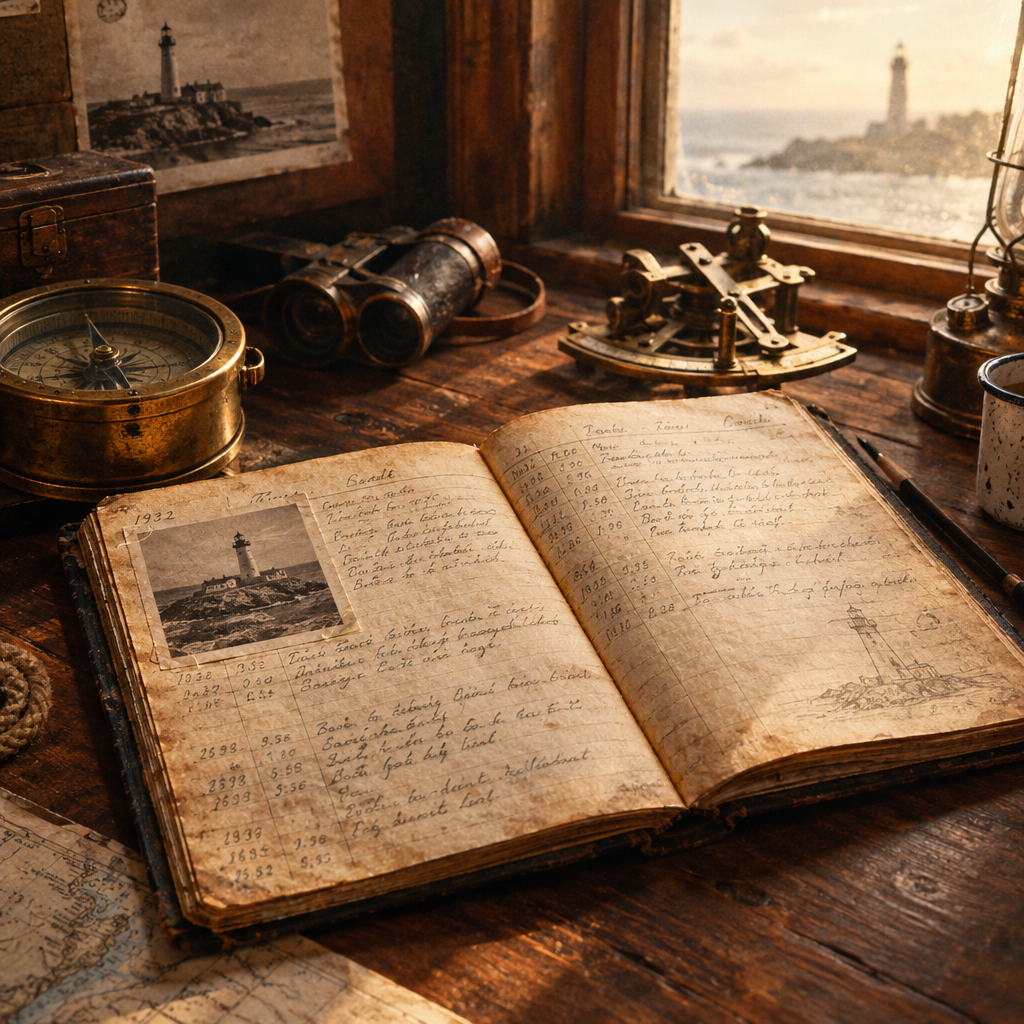
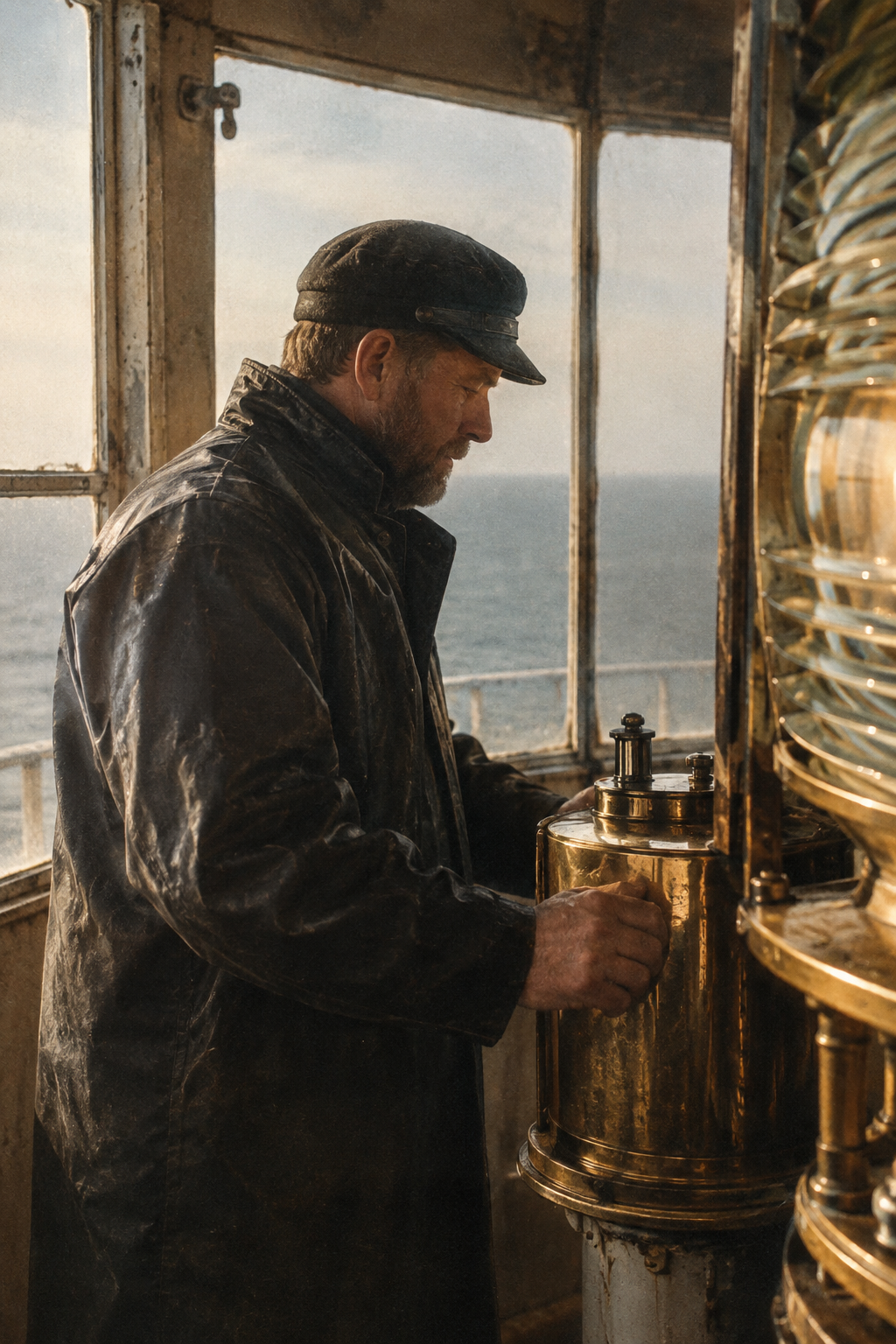
Keepers trimmed wicks, cleaned lenses, logged storms, and maintained the signal through long isolated seasons.
Source note: Duties summarized from documented lighthouse-keeping practice; individual stations differed.
Technology changes the watch
Mechanization
From lamp room to automation
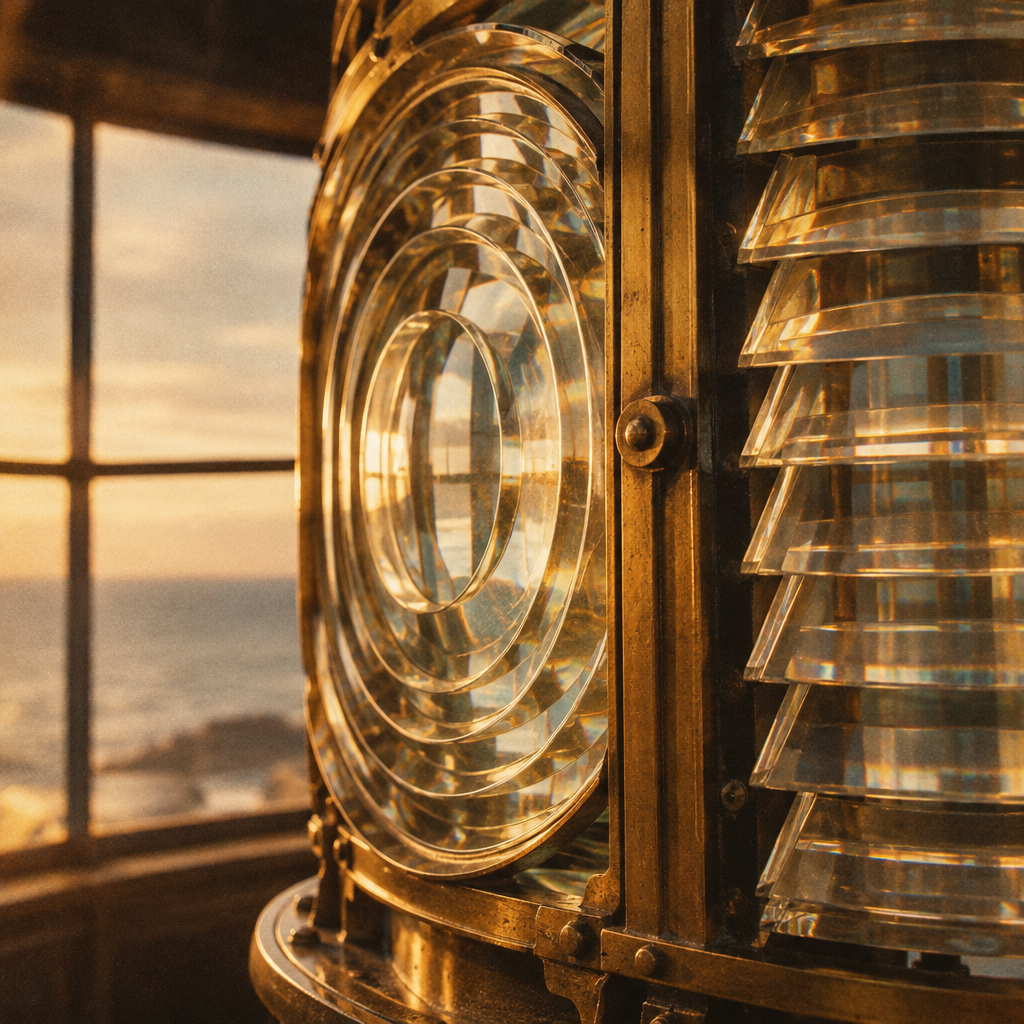
Improved optics, fuel systems, electricity, and remote controls gradually reduced the need for resident crews.
Source note: A broad technical sequence; station-specific changes require archive confirmation.
Preservation
Towers become public memory
Preserved lights now serve as navigational landmarks, museums, research subjects, and symbols of coastal identity.
Source note: Preservation status changes over time; confirm current access with local custodians.